AI security startup HiddenLayer raises $100M as enterprise spending surges
HiddenLayer's Series B, led by Delta-v Capital, comes as Gartner projects AI security spending to hit $2.83 billion this year, up 83% from 2025.
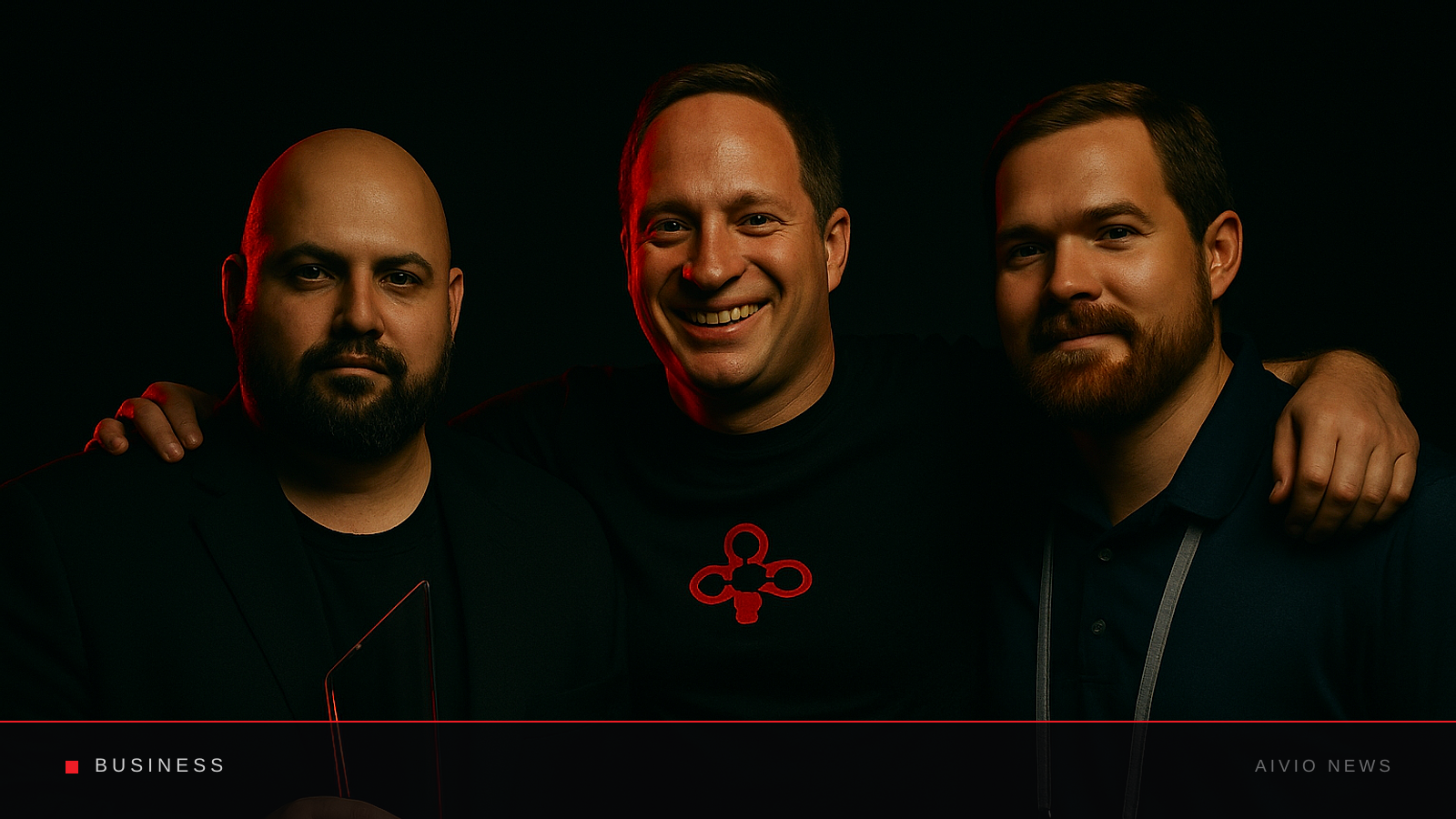
AI security startup HiddenLayer has raised 100 million dollars in a Series B funding round, as companies rush to put safeguards around the artificial intelligence systems and autonomous agents they are deploying. The round was led by Delta-v Capital, with Ten Eleven Ventures, Morgan Stanley, Microsoft’s venture arm M12, and Booz Allen Hamilton also taking part.
The Austin-based company builds tools that watch AI models and agents for signs of attack, misuse, or malfunction, similar to how endpoint detection and response software watches company laptops and servers for intrusions. Chief executive and co-founder Chris Sestito told TechCrunch that annual recurring revenue grew more than tenfold over the past year, reaching the “tens of millions” of dollars, with over 90 percent of that growth coming from new customers rather than expansions of existing accounts.
From rare threat to routine spending
Three years ago, when HiddenLayer raised a 50 million dollar Series A, the open question was whether attacks on AI systems would happen often enough to support a real market. That question has largely been settled by enterprise spending rather than by a wave of publicized breaches. Gartner estimates companies will spend 2.83 billion dollars this year on tools to secure AI systems, 83 percent more than in 2025, and expects that figure to reach nearly 4.78 billion dollars next year.
Sestito said the core of HiddenLayer’s technology, built for discovery, runtime protection, attack simulation, and supply chain security, has not needed to change so much as expand in scope, from traditional machine learning models to generative AI to autonomous agents. “Inference is still inference,” he said, adding that the company has had to extend its products to catch prompt injection, agent manipulation, and malicious use of the tools agents call on.
HiddenLayer’s largest customer segments are financial services firms and large technology companies building AI products, and it also holds contracts with the Department of Defense and the intelligence community. One customer, described only as a “leading frontier model provider” with more than 700 million weekly users, points toward a company the size of OpenAI or Anthropic, though HiddenLayer did not name it. Sestito pointed to open source AI models as a growing source of risk, saying HiddenLayer now parses about 50 different AI file formats to check that a model is what it claims to be, including cases of “hidden models inside of models.”
The new funding will go mainly toward sales and distribution, along with continued engineering and research, and HiddenLayer plans to expand into Europe. It will be competing for the same enterprise budgets as venture-backed rivals such as Noma and Zenity, which have each raised more than 100 million dollars, while larger security vendors including Cisco, Palo Alto Networks, and Check Point could choose to buy this kind of technology rather than build it themselves. Sestito said he expects platform providers like Microsoft, OpenAI, and AWS to focus on governance features such as identity and policy controls, leaving room for specialized security vendors like his own.
Sources
AI-generated · AIVIO News Desk