Arena raises $200 million as AI leaderboard pushes into alignment testing
The crowdsourced AI benchmark site raised the round led by Lightspeed and Khosla Ventures, nearly doubling its valuation in ten months as it adds model honesty rankings.
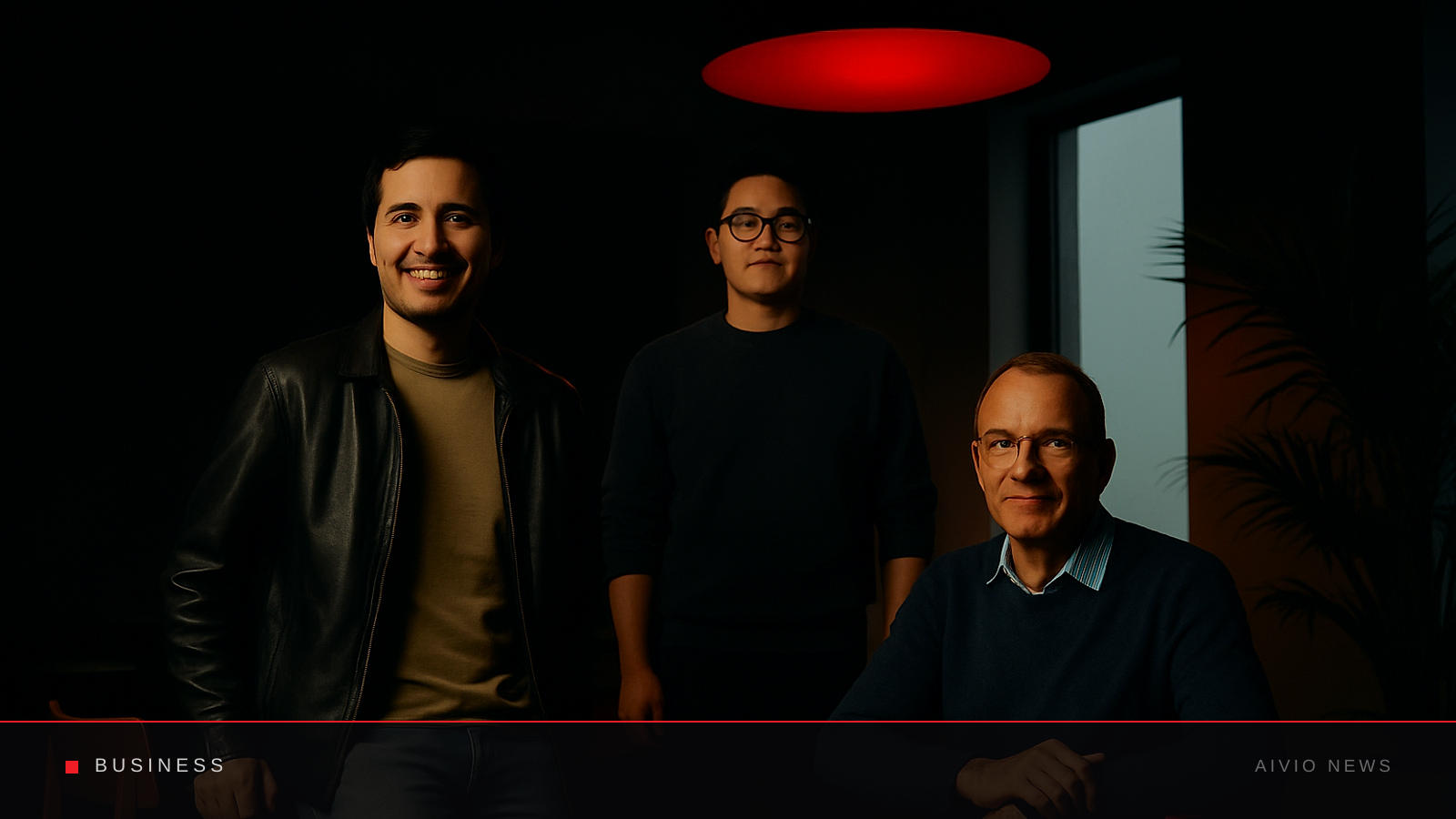
Arena, the company behind a widely used AI model leaderboard, has raised $200 million in a Series B round that values it at $3.1 billion, the company said Thursday. The round was led by Lightspeed Venture Partners and Khosla Ventures, with Salesforce Ventures, 01 Advisors, Dell Technologies Capital, Endeavor Catalyst, a16z, and Felicis also taking part.
The new valuation is nearly double the $1.7 billion post-money valuation Arena reached in January, when it raised a $150 million Series A. At that time, Arena said its annualized revenue was $30 million. By June, the company said that figure had grown to $100 million in annualized run-rate revenue.
Arena began in 2023 as a research project at UC Berkeley. Its free consumer site lets people submit prompts or coding requests to multiple AI models, then vote on which response is better. Arena says it draws tens of millions of visitors a month. Last September, it launched a paid product called AI Evaluations, which gives AI labs and enterprises detailed performance data drawn from that community feedback.
Arena’s growth tracks a shift in how AI companies and their customers judge models. Standard benchmark tests, scored on fixed question sets, have become less reliable this year as labs find ways to score well on them without necessarily building better models, according to Arena. At the same time, companies buying AI tools want to know which model performs best for their own tasks rather than relying only on published benchmark scores.
A new category: alignment
Arena has added an alignment category to its leaderboard, moving beyond measuring raw task performance to measuring whether a model behaves honestly. The category tracks three kinds of behavior: unauthorized action, where a model takes steps it was not asked to take; false attribution, where it credits a fact or statement to the wrong source; and what Arena calls deceptive completion, where a model claims to have finished a task it did not actually complete.
“AI is advancing faster than our ability to evaluate it, and static benchmarks break down once models recognize they’re being tested,” Arena said in its funding announcement. The company said it intends to act as a neutral third party measuring how safe and aligned AI systems are once people are actually using them.
On Arena’s preliminary alignment leaderboard, a group of OpenAI models currently holds the top spots. Anthropic’s Claude Opus 5.5 ranks sixth and Claude Fable ranks ninth, according to Arena’s rankings as reported Thursday.
The alignment leaderboard is still described as preliminary, and Arena has not published the full methodology behind how it scores unauthorized action or deceptive completion. Whether labs adjust their models in response to these new rankings, the way some adjusted to chase benchmark scores, is likely to become clear as Arena expands the category in the months ahead.
Sources
AI-generated · AIVIO News Desk