OpenAI says ChatGPT search queries now reach a fifth of Google's volume
At a November 2 press event, OpenAI product lead Adam Fry said ChatGPT's search query volume now equals one-fifth of Google's, a milestone Microsoft's Bing never reached in over a decade.
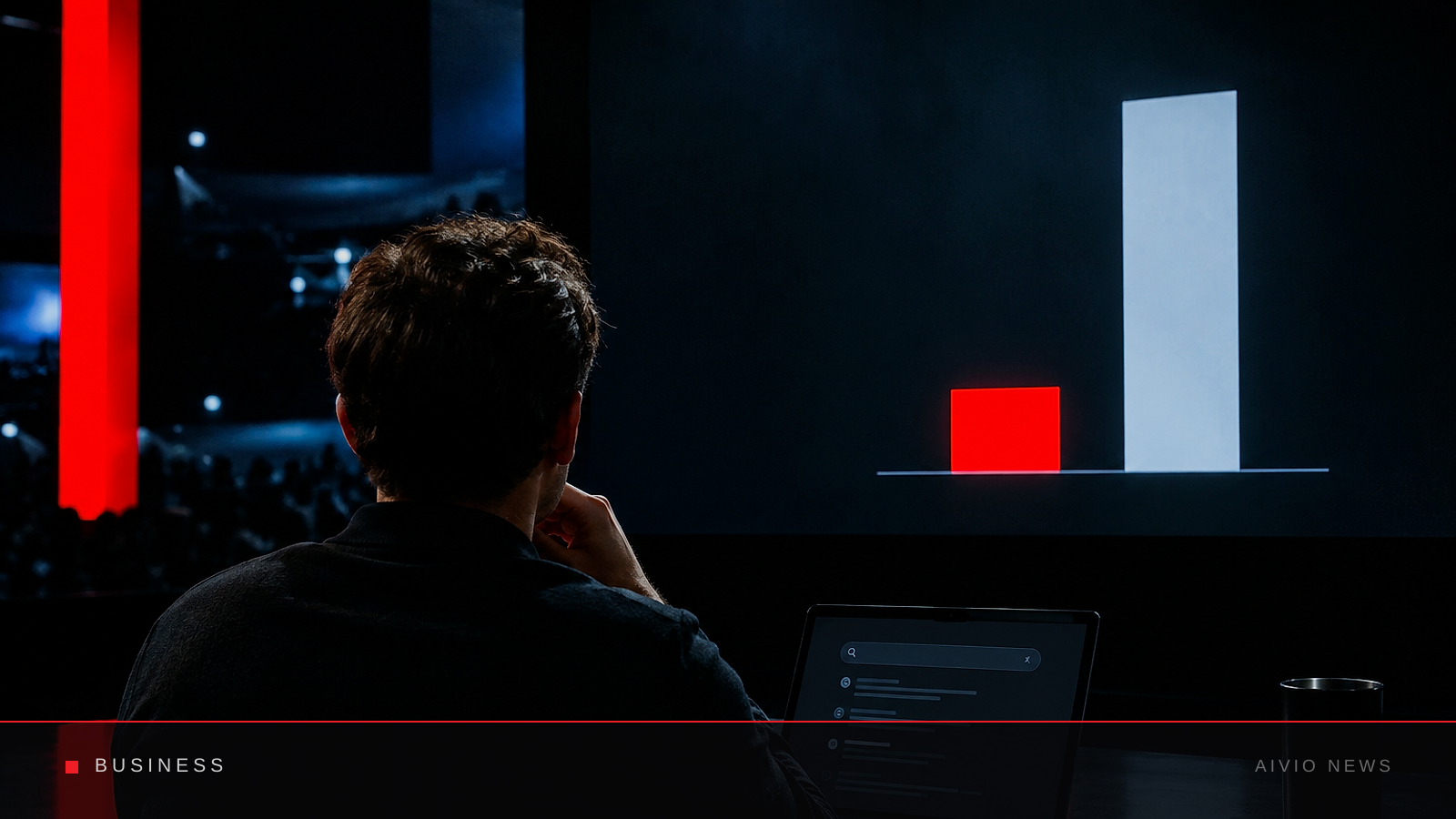
OpenAI says the volume of search queries run through ChatGPT now equals 20 percent of the volume run through Google. Adam Fry, OpenAI’s consumer product lead for ChatGPT, announced the figure at a press event on November 2. He defined a search as any query that triggers a web search, as opposed to tasks like defining a word or giving a simple how-to answer. Fry did not say where OpenAI got its Google search volume figure.
The comparison puts a number on a shift many people already describe in casual terms: “Ask Chat” standing in for “Google it.” A fifth of Google’s volume still leaves ChatGPT far from overtaking the dominant search engine. For scale, Microsoft CEO Satya Nadella testified during Google’s 2023 antitrust trial that Bing, built specifically to compete with Google, had reached only about 3 percent of the search market after more than a decade of trying.
During that trial, Google itself argued that AI was a coming disruptor and that ChatGPT was positioned to compete with its search business. OpenAI’s own numbers now back up that argument. The company likely routes a significant share of its searches through Microsoft’s Bing index and its own in-house index, though some speculation persists that it also sends queries through Google.
An interface built for ads
The announcement lands amid a broader search shake-up. Google has been cutting back the conventional links it sends to outside websites while pushing further into its own AI tools, including AI Overview, the AI-written summary shown above search results, plus newer features like personalized results with charts and visualizations. OpenAI is building its own answer, which Fry called “Intelligent UI” — a visual, interactive layer inside a chatbot reply rather than a plain list of links. “That’s where the future of this technology goes. You’re talking to a canvas,” Fry said.
OpenAI, like Google, sees advertising as a path toward profitability, particularly with an IPO potentially planned for early next year. Fry told reporters at the event that ads have not driven users away. “Ads have not negatively impacted the product or the usage of the product,” he said, adding that “most people do not seem to mind ads in the product.” Last month, OpenAI began showing images of sponsored products and services directly in ChatGPT responses, instead of just a company name, logo and link.
Fry suggested the company sees room to expand further. “Ads have maybe shown us that we could be doing this more, actually,” he said.
Sources
The Verge