SpaceX posts $4.4 billion profit as AI unit drives revenue past space business
The company's renamed Super Intelligence unit, built on Grok, Cursor and a cloud computing business, brought in $7.5 billion of SpaceX's $14.6 billion in third-quarter revenue.
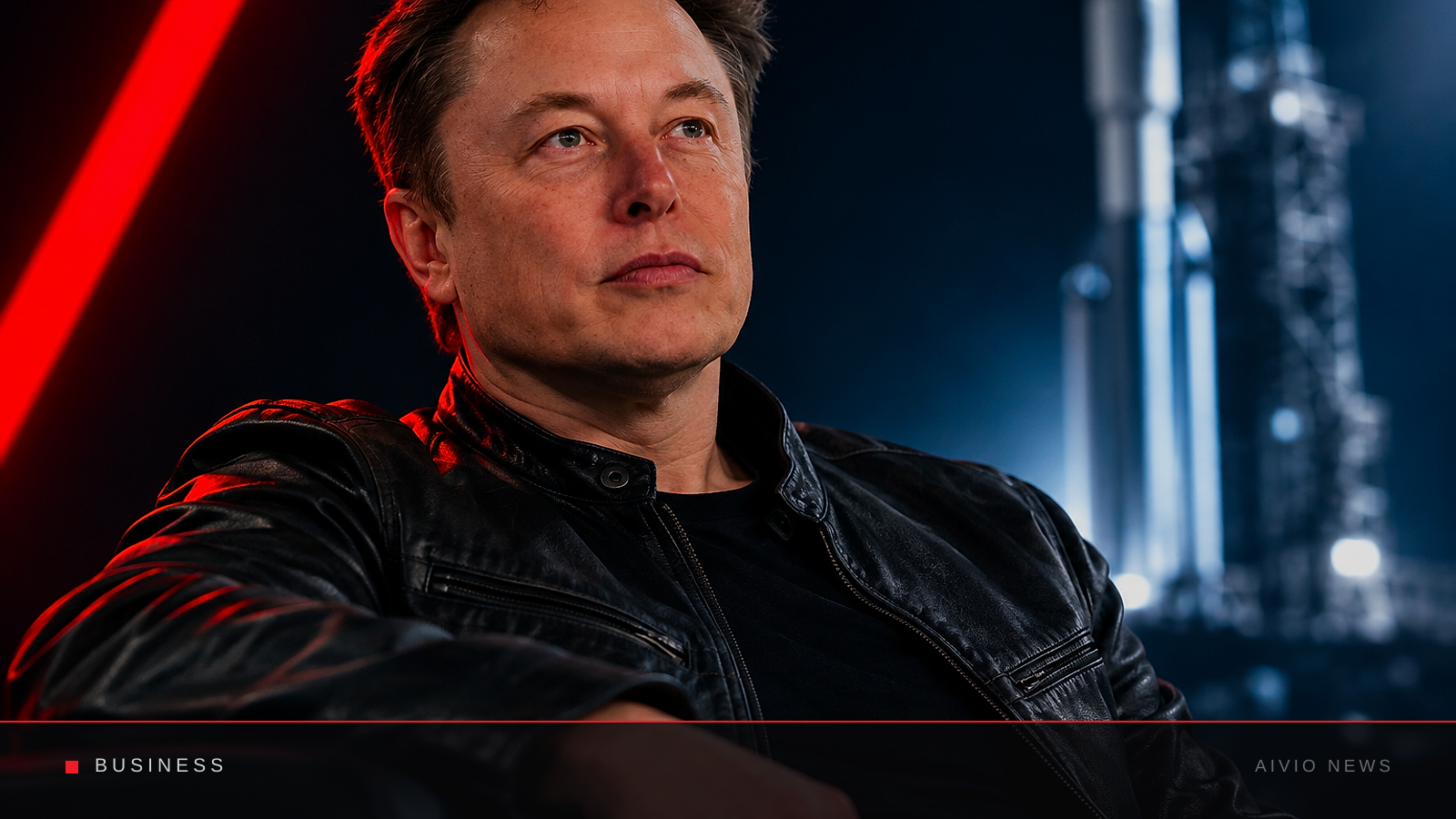
SpaceX reported $4.4 billion in net income for the third quarter, a turnaround from the $1 billion loss it posted a year earlier, according to a regulatory filing released Tuesday. Total revenue reached $14.6 billion, and artificial intelligence now accounts for 52% of the company’s income, a shift for a business that started out launching rockets.
The growth came from a business line SpaceX has renamed Super Intelligence, which generated $7.5 billion in revenue. That unit includes the Cursor coding tool SpaceX recently acquired, the Grok chatbot, and a cloud computing operation (SpaceX calls it a neocloud business) that now runs 1.7 gigawatts of computing capacity. The segment turned a profit of $431 million, though SpaceX said the figure would have been higher without $1.2 billion in one-time stock-based compensation tied to the Cursor deal. Revenue also got a lift from about $1 billion in income linked to the recovery of Bitcoin prices, plus unspecified related-party income that may stem from a SpaceX investment in another company; the filing did not name that company.
The profit arrived even as SpaceX increased spending. The company put $19.6 billion into capital projects during the quarter, including a second data center campus called Colossus II and continued work on Starship, the heavy-lift rocket SpaceX is counting on to launch a new generation of Starlink satellites and, eventually, data centers in orbit. CFO Bret Johnsen told investors SpaceX expects to spend $35 billion to $40 billion more on capital projects in the fourth quarter.
CEO Elon Musk said on a livestreamed investor call that he now spends four days a week in Memphis, Tennessee, where Colossus II is being built, working to bring the facility online. He argued that power and cooling, not chip supply, have become the main bottleneck for deploying AI systems, and said he assigned SpaceX engineers to the problem. As one example, he said SpaceX is now using metal-casting methods developed for its rockets to produce turbine components faster than the 12 to 18 months manufacturers currently need to source the metals those parts require.
Musk said the next Starship test flight, expected in November, will attempt to recover both the rocket’s booster and upper stage, which he called a “massive technology milestone” on the way to reflying both. SpaceX also reported 13.6 million Starlink subscribers, with Musk predicting that growing use of AI agents will push demand for connectivity higher.
Despite the quarterly profit, SpaceX has posted a net loss of $413 million for the first nine months of the year, leaving ground to make up before the full year turns profitable. Musk nonetheless forecast that the Super Intelligence business could generate between $500 billion and $1 trillion in annual recurring revenue by the end of 2027, while Johnsen projected total company revenue of $33 billion to $37 billion for the first quarter of that year. What to watch next: whether SpaceX closes the nine-month gap by year-end, and whether November’s Starship flight recovers both rocket stages as planned.
Sources
TechCrunch
AI-generated · AIVIO News Desk