Google's Suncatcher satellite powers on and runs Gemma 4 inference in orbit
The satellite's four onboard Google TPUs can run only one at a time for about 20 minutes, yet engineers used that window to have Gemma 4 write a haiku about space.
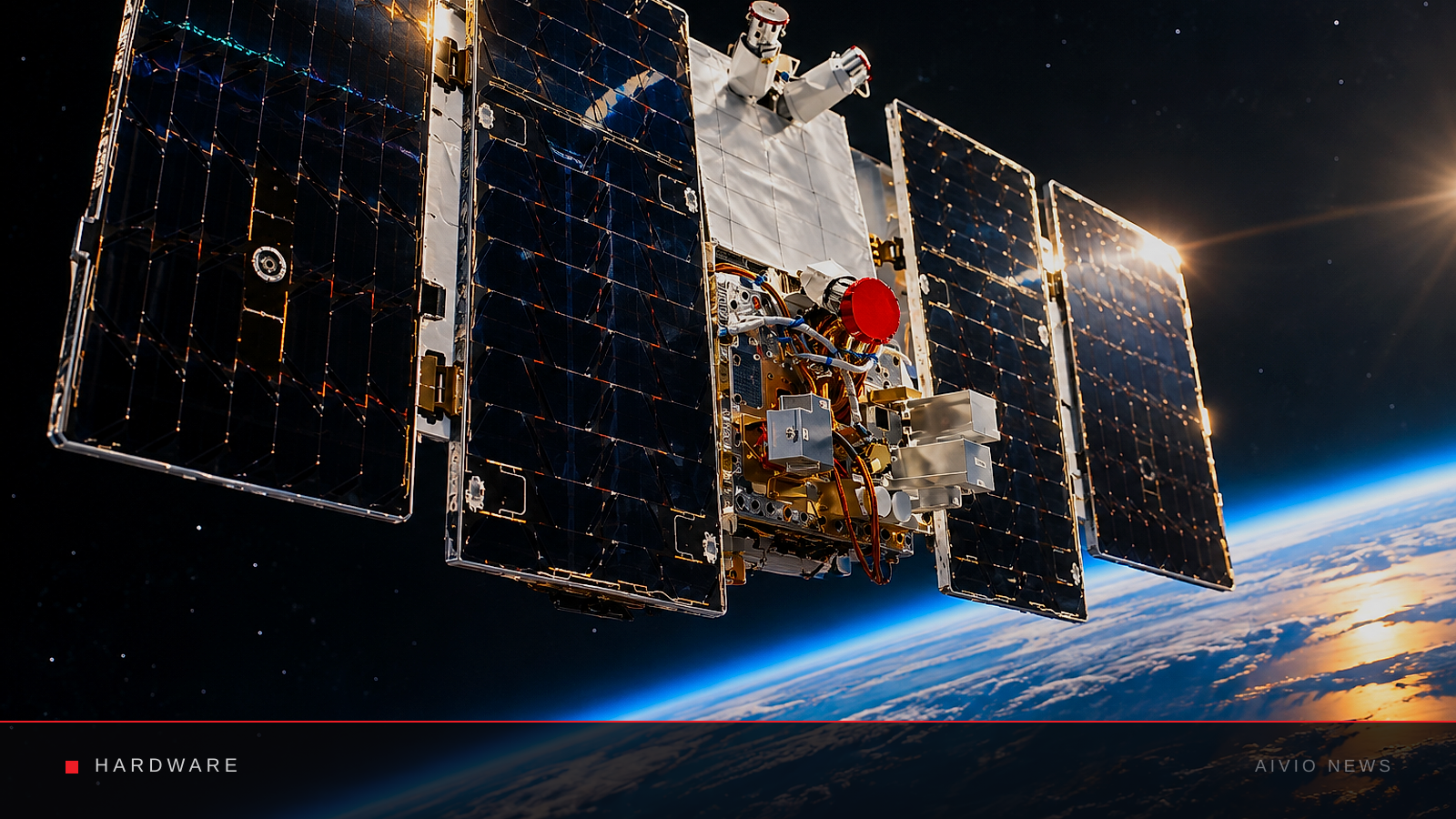
Google’s prototype orbital data center satellite has powered up and is now running inference on Gemma 4, the company’s AI model, after launching this month, according to TechCrunch. The spacecraft, part of a project called Suncatcher, rode to orbit on a SpaceX Falcon 9 rocket alongside more than 100 other satellites and spent about three weeks going through checks on its subsystems before it was ready to work, TechCrunch reported.
The satellite carries four Google Tensor Processing Units, or TPUs, chips built to run AI workloads, and can generate up to 1 kilowatt of electricity. That power supply is tight: only one TPU can run at a time, and only for about 20 minutes, which complicates communication between the satellite and ground controllers, according to the report.
When engineers sent their first prompt this week, they asked Gemma 4 to write a haiku about being in space. Google also tested the model with space-themed limericks and had the satellite report on the orbital conditions around it, TechCrunch said. A Google spokesperson told the outlet the satellite was “operating nominally.”
The project’s broader goal is to test how the chips hold up under thermal stress and the radiation found in space. Google has tested its TPUs in particle accelerators on Earth, but has not yet measured how real space radiation affects the hardware in orbit. Radiation can cause “bit flips,” in which a stored value in computer memory is accidentally changed, corrupting data without tripping standard monitoring tools. Ground testing suggested radiation would have a small effect on inference workloads like running Gemma 4, and a bigger one on training, though Google will now get real data instead of simulations, according to the report.
If the chips perform well, Google plans to launch two more Suncatcher satellites in 2027 with more advanced chips, higher power generation, and optical links connecting the satellites to each other. TechCrunch noted that Suncatcher is unusual among space data center plans in aiming for high-speed links between satellites to support workloads spread across multiple spacecraft; SpaceX and other companies pursuing orbital data centers, including Starcloud and Cowboy Space, are described in the report as focused on inference run on individual satellites rather than linked ones.
Both Google and SpaceX’s orbital computing plans depend on SpaceX’s Starship rocket becoming fully and rapidly reusable, TechCrunch reported, citing a peer-reviewed analysis from Suncatcher researchers estimating SpaceX would need about 1,800 Starship flights to match the cost reductions it saw with its earlier rockets. Google has described Suncatcher as a long-term bet aimed at the 2030s rather than near-term deployment.
What happens next depends on how the four TPUs hold up as Google’s test campaign continues to probe thermal and radiation effects, and on whether the planned 2027 launches of higher-power satellites with inter-satellite optical links go forward as described.
Sources
AI-generated · AIVIO News Desk