Google's Gemini Omni 1.2 Flash makes 15-second AI video clips for 30% less
Google rolled out Gemini Omni 1.2 Flash across its API, Cloud and consumer apps, extending clip length to 15 seconds while cutting generation costs by 30%.
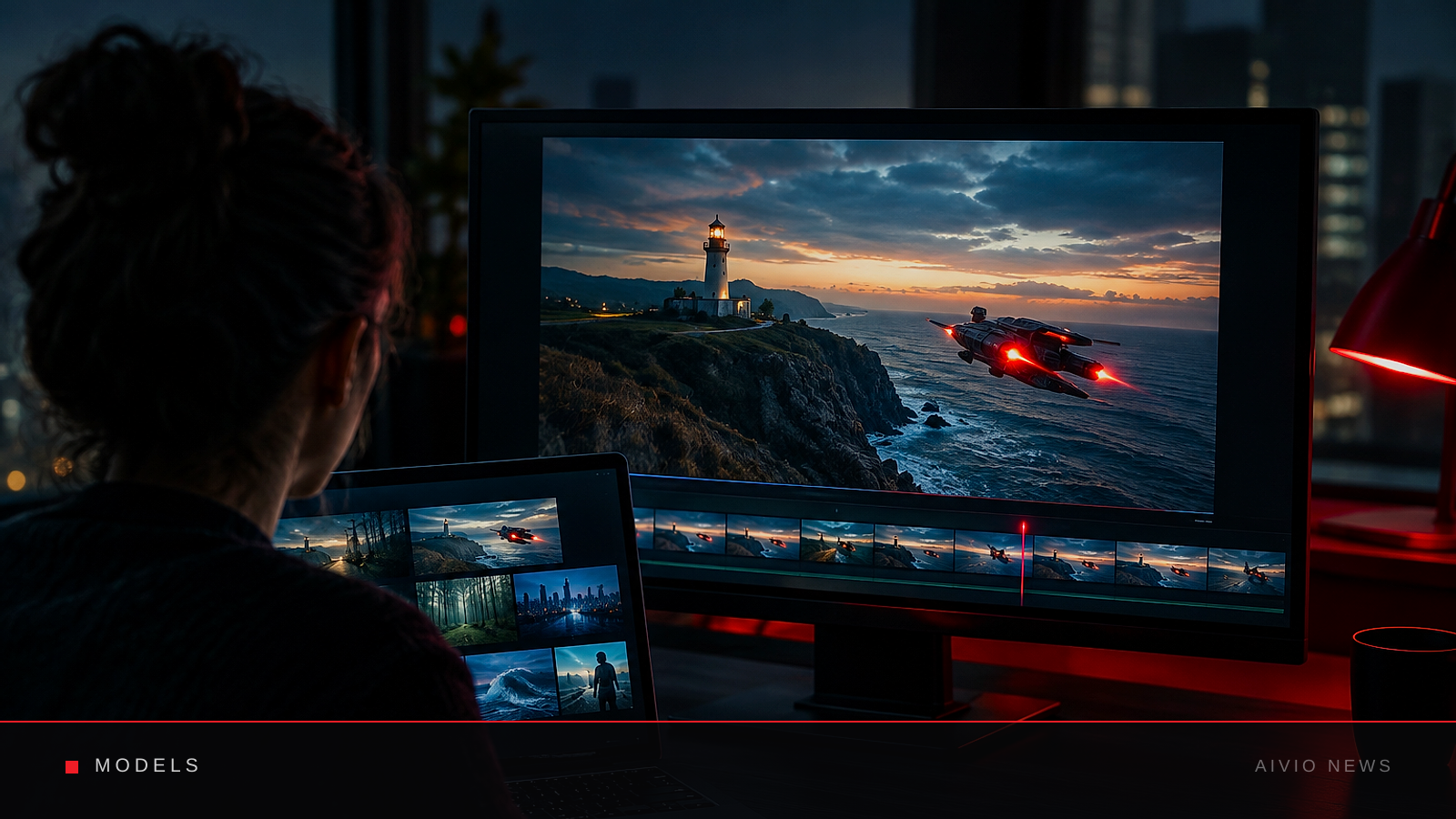
Google said on November 7 that it is rolling out Gemini Omni 1.2 Flash, a video generation model built for speed and lower cost, making it generally available across the Gemini API, Google Cloud, Google Vids and Gemini for business. The release comes as Google’s AI tools keep expanding into schools and workplaces, a trend the site covered earlier when it reported that districts turning off Google’s AI features also lose access to Search.
According to Google’s announcement, the new model produces native video clips up to 15 seconds long, in one-second increments starting at three seconds, compared with a 10-second ceiling on the prior version, Omni 1.1. Google says it cut pricing by 30% from Omni 1.1, bringing the rate to $0.07 per second for 720p video, and that users can draft at 360p or 720p before upscaling finished clips to 1080p or 4K.
Google says the model holds onto reference details such as faces, product packaging and brand colors more consistently across camera angles and longer shots than earlier versions did. The company’s post describes examples including a 15-second virtual try-on sequence built from a single model photo and product shots, and a continuous drone-style flythrough of an architectural landmark with no jump cuts. Google also says the model adds multi-turn conversational editing, letting users swap a background, change lighting or adjust aspect ratio through follow-up prompts rather than regenerating an entire clip from scratch.
Google’s announcement adds that the model supports more natural multi-speaker dialogue with clearer lip-sync, which it says will show up in tools such as Flow, Gemini for business and Google Vids. The company says outputs carry an imperceptible SynthID watermark, and that enterprise customers can use Provisioned Throughput on Google Cloud. Google also acknowledges limits, saying it is still working to improve the model’s handling of fast sports action, rapid script changes and complex physics.
What this means
The price cut and longer clip length matter most for businesses producing video at scale, such as retail and advertising teams that Google’s post highlights for catalog spins and ad variants, since the 30% cost reduction and multi-turn editing cut down on the need to regenerate full clips for small changes. The move toward enterprise-grade distribution, with Provisioned Throughput and SynthID watermarking, points to Google treating this as production infrastructure rather than a standalone creative demo.
What the reports do not establish is how Omni 1.2 Flash’s video capability relates to the access questions raised in the earlier story about schools and Google’s AI bundle, since Google’s announcement does not mention education policy or the Search access issue at all.
Google says the rollout is reaching the Gemini app for Google AI Ultra subscribers, Google Ads, Google Vids users with a Google account or Workspace subscription, and developers through Google AI Studio, with no date given for when every surface will have full access.
Sources
Where these models rank: Best video generator