Mount Shasta hikers rescued after Gemini underestimated their trip
A Siskiyou County sheriff's office report says Google's Gemini chatbot told three hikers to pack far less food and water than they needed once their planned eight-hour climb turned into an overnight ordeal.
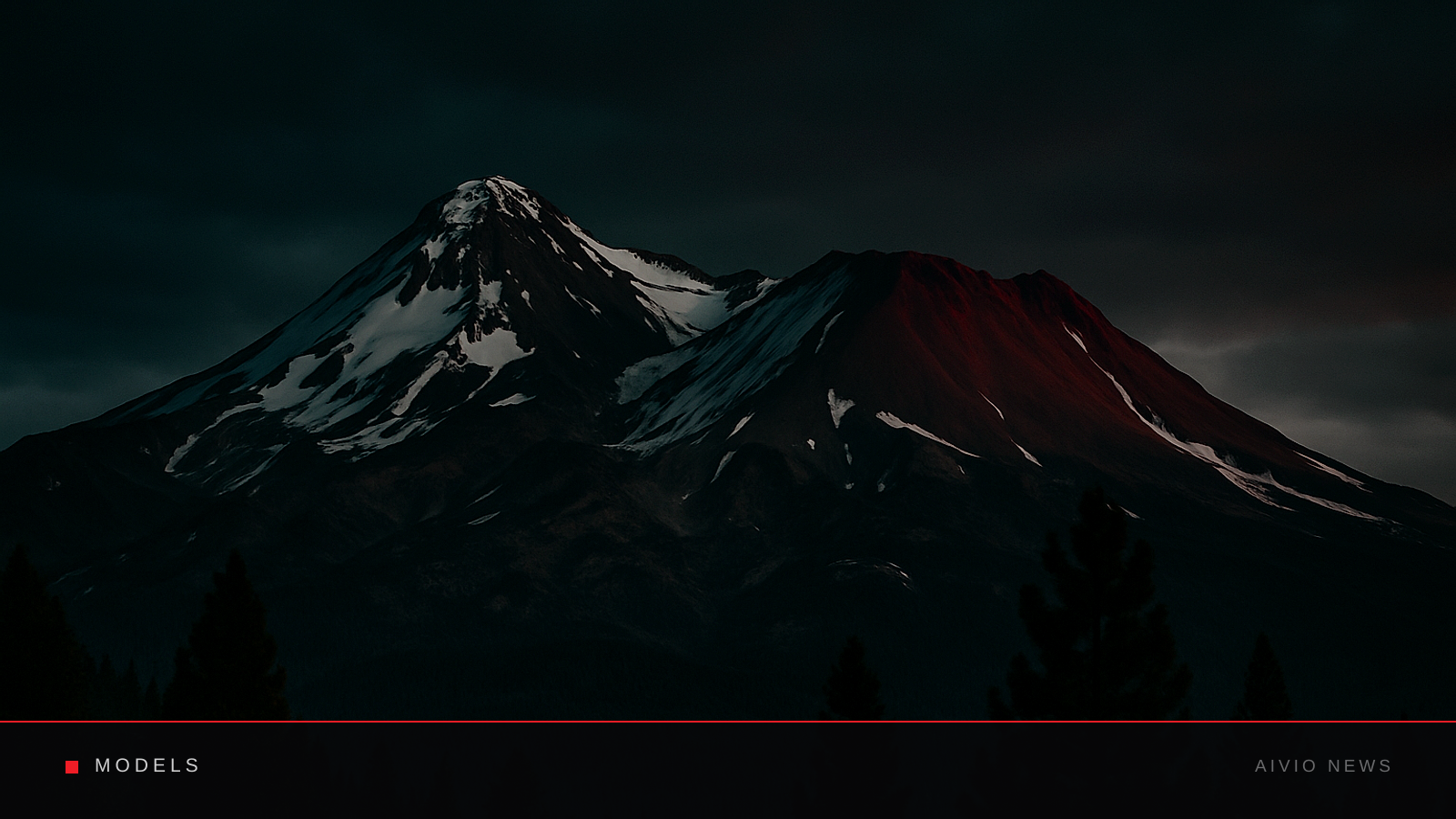
Three young men were rescued this week after Google’s Gemini chatbot helped plan a hike up Mount Shasta in Northern California that left them stranded overnight without enough supplies, the Chicago Tribune reported, citing an account from the Siskiyou County sheriff’s office.
The group set off at 3am for what they expected to be an eight-hour round trip to the summit and back. Hikers on the mountain are typically told to turn around if they have not reached the top by noon, regardless of how close they are, so they still have enough daylight and energy to get back down safely. This group reached the summit at 7pm, seven hours past that turnaround point.
Descending in the dark, the three called the sheriff’s office to ask for directions. They ended up spending the night in Mud Creek Canyon before Forest Service rangers and volunteers found and rescued them the next morning.
The sheriff’s office said the hikers “were advised by Gemini to bring far less food and water than their group required, especially when their planned 8-hour ascent became a multiday ordeal.” The office did not say what quantities Gemini had recommended or how the group had asked the chatbot for advice, and it stopped short of pinning the outcome on the AI tool alone. Setting out at 3am, misjudging the eight-hour estimate, and continuing past the noon turnaround point were all decisions the hikers made themselves.
Sheriff’s office: don’t rely solely on AI
“It is always advisable to call the local USFS Mount Shasta ranger station ahead of your trip to ensure you have the most accurate information,” the sheriff’s office said, “and to never rely solely on AI for your trip planning.”
The incident adds to a pattern of AI chatbots giving confident-sounding answers to questions that call for local, current, and highly specific knowledge, such as trail conditions, seasonal weather, and how supply needs change once a trip runs long. Mount Shasta rises above 14,000 feet, and conditions on its upper slopes can shift quickly no matter what a route plan looked like at 3am.
Google has not commented publicly on the Mount Shasta case. Nothing in the account released by the sheriff’s office suggests Gemini flagged the ascent as risky or told the group to carry extra food and water in case the hike ran longer than planned.
What happens next likely depends on whether Google responds to the incident and whether the sheriff’s office releases further details, including the exact questions the hikers asked Gemini and what it told them in return.
Sources
AI-generated · AIVIO News Desk