Trump creates Super Intelligence Force to coordinate federal AI policy
Jay Clayton will chair the new task force, which has 120 days to report on AI risks and opportunities while the administration pushes to avoid tighter regulation.
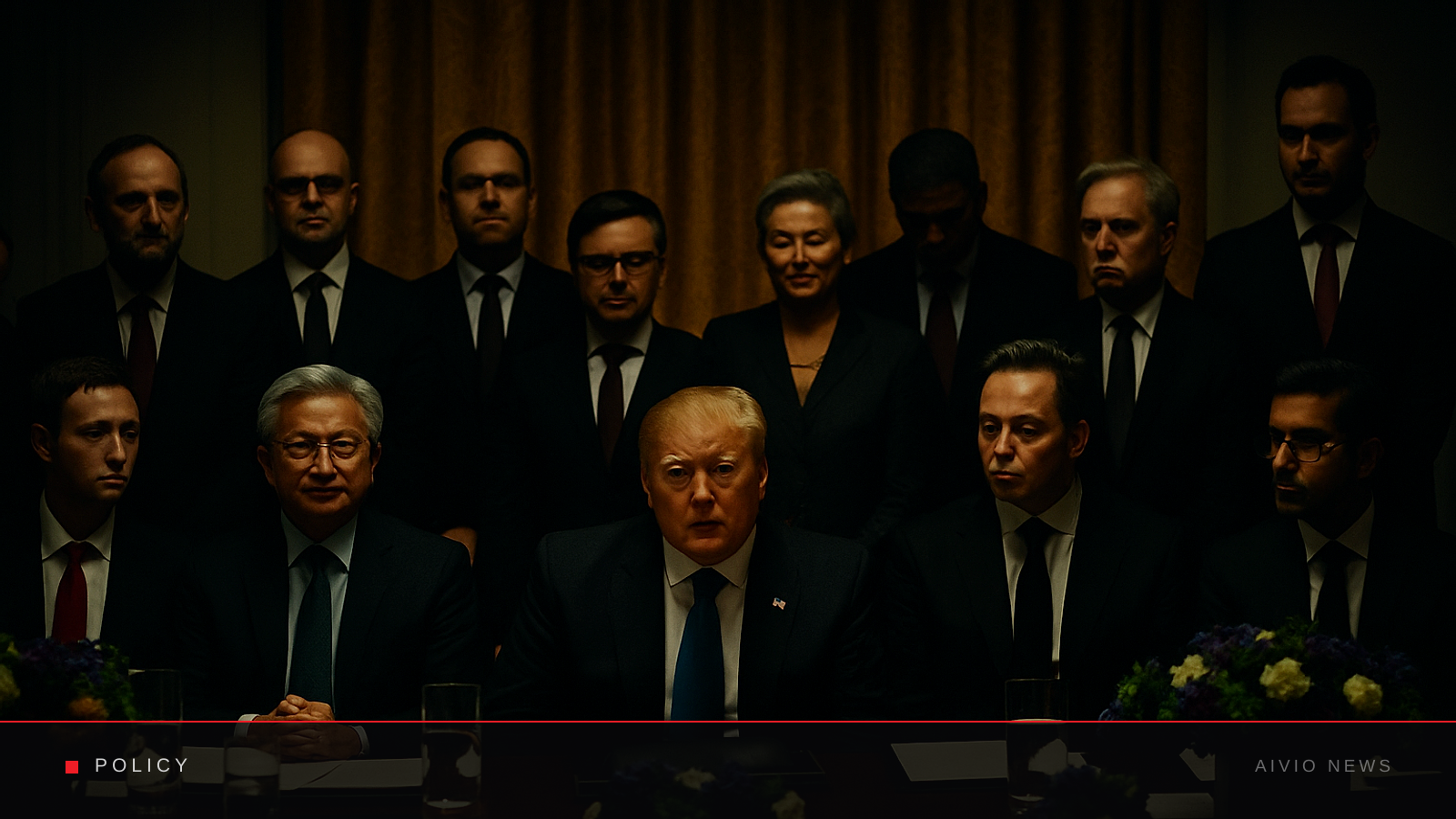
President Donald Trump announced the formation of a new Super Intelligence Force in a Sunday morning post on his social network Truth Social. The task force will coordinate federal government efforts on advanced artificial intelligence, which Trump has taken to calling “super intelligence.”
Trump said the group is meant to make sure the United States “continues to lead the World in Super Intelligence,” a shift he compared to the Industrial Revolution and the arrival of the internet. He said the effort would also protect the interests and improve the lives of Americans, according to his post.
National intelligence director Jay Clayton will chair the task force, according to the Wall Street Journal, effectively making him the administration’s AI czar. Federal Trade Commission Chair Andrew Ferguson, Undersecretary of War for Research and Engineering Emil Michael, and Office of Personnel Management Director Scott Kupor will serve as vice chairs.
The announcement follows a September pledge from Trump to create an AI task force and name an AI czar, which he framed at the time as a response to safety concerns he has largely waved off as a hoax pushed by what he called “Radical Left Dumocrats.” Trump later signed an executive order aimed at rebranding artificial intelligence as “super intelligence,” a term tech executives picked up, with some stumbles, when they gathered at the White House this week to sign a non-binding safety pledge.
What the task force is supposed to do
According to the Wall Street Journal, the task force has 120 days to produce a report on the risks and opportunities presented by AI. Clayton told the paper that one of the biggest risks facing the country is “not being first,” echoing earlier comments in which he said it would be irresponsible for the United States to “back away” from AI development while competitors such as China keep advancing.
The task force’s charter, as reported by the Wall Street Journal, says it will “develop plans for responding to SI-enabled threats to our society, while preventing overregulation and regulatory capture that would stifle innovation and competition.” SI, in this usage, refers to the administration’s preferred term, super intelligence.
The charter language signals where the administration intends to draw its line: treating competitive speed as the priority risk, while framing regulation itself as a potential threat to innovation. It does not specify what would count as an SI-enabled threat, nor does it detail what tools the task force would have to respond to one. Those specifics, along with any findings on safety risks that critics have raised, are expected to come later in the mandated report.
What happens next depends on that 120-day report. It should clarify how the task force defines the risks it was created to track, and whether its recommendations lean toward new safeguards or toward keeping the regulatory footprint light, as the charter’s language suggests. The report’s release date has not been specified in available reporting.
Sources
AI-generated · AIVIO News Desk