AI models decode two Enigma messages that stumped cryptanalysts for decades
OpenAI's Astra and Anthropic's Claude Opus 5 independently cracked two archival Enigma messages that had defeated human cryptanalysts for decades, researcher Frode Weierud confirmed.
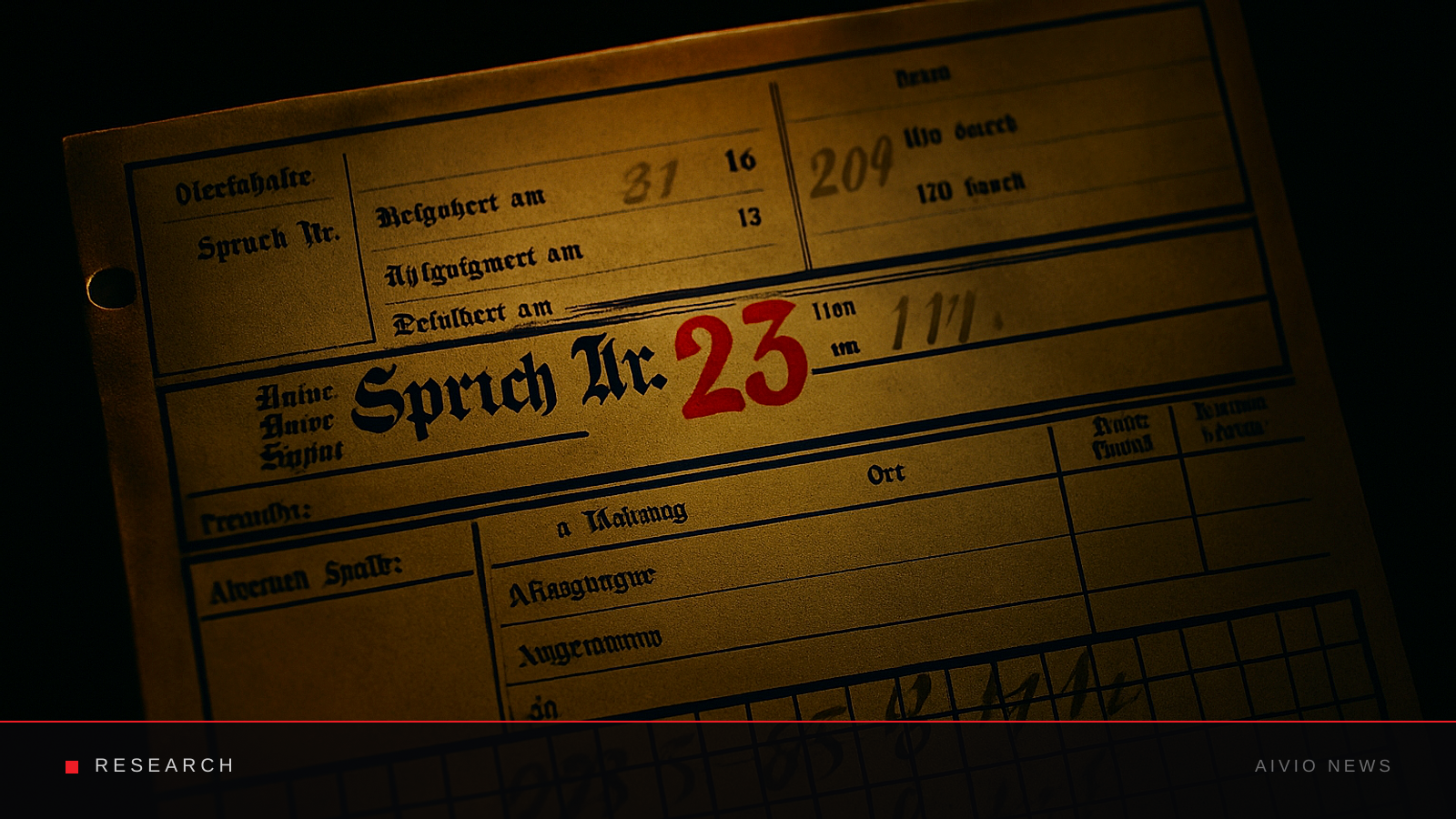
Two independent researchers say they used frontier AI models to crack Enigma-machine messages that had gone unsolved for decades, a result that goes beyond what standard AI benchmarks are built to measure.
Carter Leffen, a developer, asked OpenAI’s newest model, Astra, to search a database of archival Enigma messages for one that had never been decoded. According to the report, Astra found a message that had baffled researchers since 2005, then did its own archival research, worked out context clues, built a simulator of the Enigma machine, and recovered the plaintext. Leffen also used Astra to build an interactive website explaining the problem.
Frode Weierud, a retired electrical engineer who maintains Crypto Cellar, a website of cryptology records and an archive of Enigma messages, validated Leffen’s solution last week. He said the result left him in “awe.”
Weierud noted that Astra’s logs referenced archived messages from a “private collection” that isn’t hosted on his site. He said he still isn’t sure whether the model accessed those records directly, and speculated they might have been shared by another researcher elsewhere online, or that the model reached Germany’s public government archives instead. He wrote that Astra was “behaving like a very professional cryptanalyst and archive researcher,” adding: “What it has achieved in two days would take a human researcher weeks or even months. Personally, I spent several weeks researching the Bundesarchiv files GPT–6 Astra refers to.”
A second message, a different method
On September 21, Jack Willis, a cybersecurity executive, told Weierud he had used Anthropic’s Claude Opus 5 model to break a different unsolved message. Willis gave the model significantly more guidance than Leffen gave Astra, according to the report, and Claude Opus 5 ultimately used the known signature of a specific officer’s name to help recover the plaintext.
Weierud said seven Enigma messages remain unbroken, along with one additional message whose plaintext is already known but whose original code has not been recovered. The messages date to World War II, when Nazi Germany used Enigma machines to scramble military communications. Turing and a team of cryptanalysts built an early computer called the Bombe to help Britain read Enigma traffic during the war, but a handful of messages went unsolved, generally because of transcription errors or mistakes made by the people who encoded them.
What to watch next: whether the remaining seven unbroken messages, and the one with known plaintext but unrecovered code, fall to the same mix of AI models and archival digging, and whether Weierud or another cryptologist independently confirms Willis’s solution the way Weierud already checked Leffen’s.
Sources
AI-generated · AIVIO News Desk