Anthropic rolls out tools that show firms what their AI spending buys
The new reports pair usage analytics with employee surveys so managers can track team output, cost and workflow breakdowns, part of a push to prove returns on enterprise AI spending.
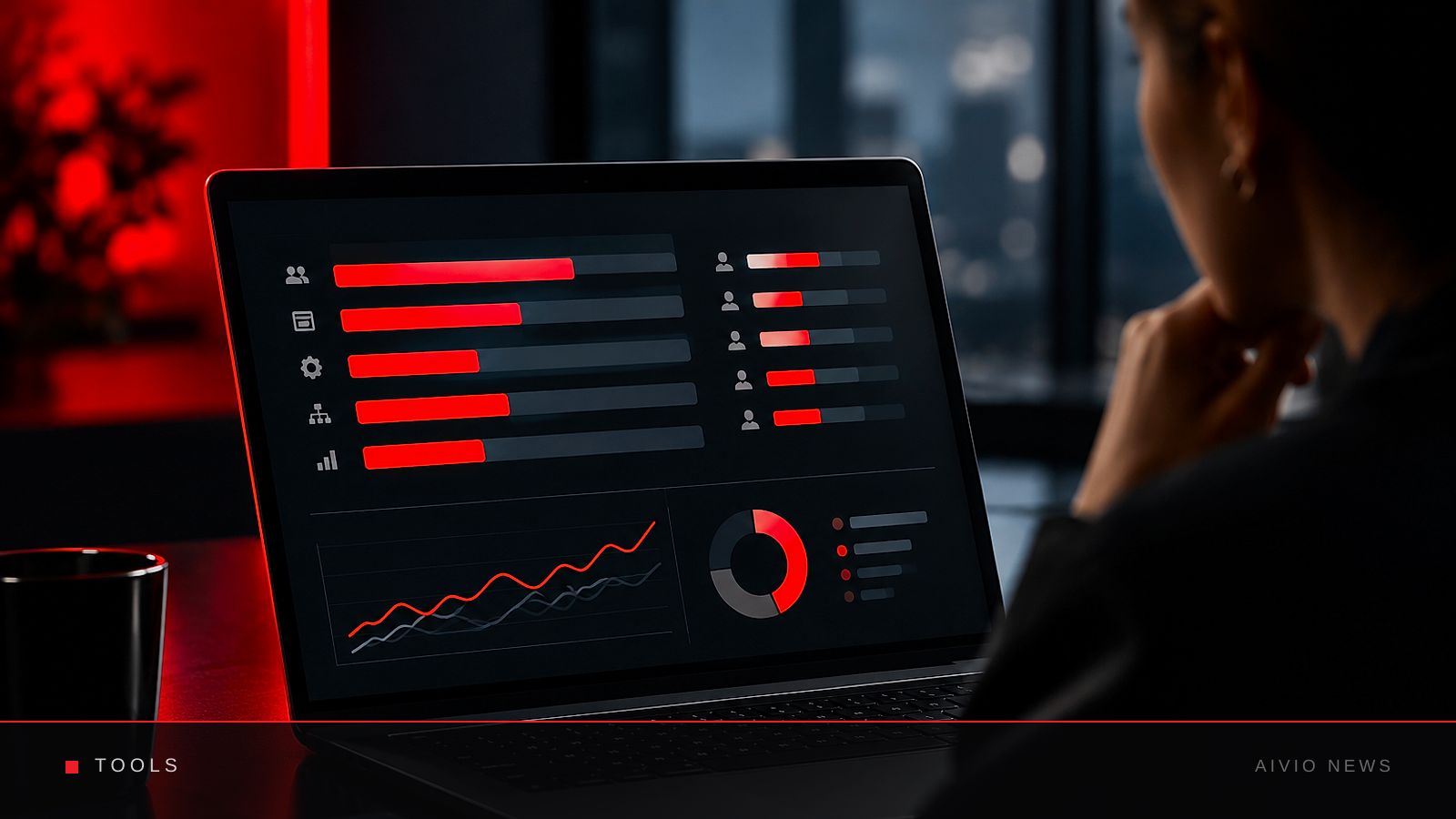
Anthropic launched a new suite of reporting tools on Wednesday designed to show enterprise customers exactly what they’re getting for their token spend, tokens being the billing unit AI models charge per use. The move comes as the company tries to lock in the large corporate customers it has spent the past year courting.
The reports combine Anthropic’s internal usage analytics with employee surveys. Managers can pull up a team’s activity over a chosen date range and see what the team produced, how much it cost, and where its workflows broke down. Anthropic says the data won’t be used to train its models by default, and the reports come with recommendations for improving results. The company is also rolling out pooled group budgets, letting teams manage token spending collectively rather than tracking it account by account.
The timing lines up with strong numbers Anthropic shared with investors this week: an operating profit in the second quarter and 900% net revenue retention, meaning spending from the same customers grew ninefold between Q3 2025 and Q3 2026. But the broader market for enterprise AI tools has been murkier. Businesses have struggled to quantify what their AI spending is actually delivering, and most Fortune 500 companies have not reported major gains from deploying the tools so far.
A separate report released Tuesday by Jellyfish, which sells tools for software development teams, offers some evidence of where that spending is going. Jellyfish’s data, drawn from 276,000 customers using agentic coding tools, found that Claude Code and other tools built on Anthropic’s models accounted for close to a third of all proposed code changes submitted for review. Spending on those tools has grown tenfold since the start of the year and now equals about 2% of total engineering cost. “Even if you’re saying 2% is still small, that 10x growth is growth that most CFOs didn’t plan for,” Jellyfish chief scientist Nicholas Arcolano told TechCrunch. “We’re certainly getting to the point where people are realizing, okay, it’s not enough to just spend a bunch. You now have to optimize it, make it work.”
Why switching is hard
OpenAI’s release of its Astra model this summer looked like it might cut into Anthropic’s enterprise lead, but Jellyfish’s data hasn’t shown a shift yet. “It took a long time for us to see Codex really pop in our data at all,” said Nikolas Albarran, Jellyfish’s AI product lead, referring to OpenAI’s coding tool. He said online chatter about Astra outpaces what shows up in actual usage, crediting Anthropic’s enterprise sales work and the fact that teams have already built workflows around Claude Code. “That cost to switch is not zero,” Albarran said, pointing to small differences between tools, such as how they handle configuration files.
Albarran compared Anthropic’s new reports to a lighter version of the forward-deployed engineering teams that AI labs embed inside customer organizations. Whether the reports measurably change how much customers spend, or just make it easier to justify what they already spend, isn’t yet clear from either company’s disclosures.
Sources
AI-generated · AIVIO News Desk