DeepSeek adds desktop apps and plugin manager to its open-source agent framework
The v0.2 preview release also adds file and code-change review tools and scheduled Automation Tasks, and now supports non-DeepSeek models via OpenAI-compatible endpoints.
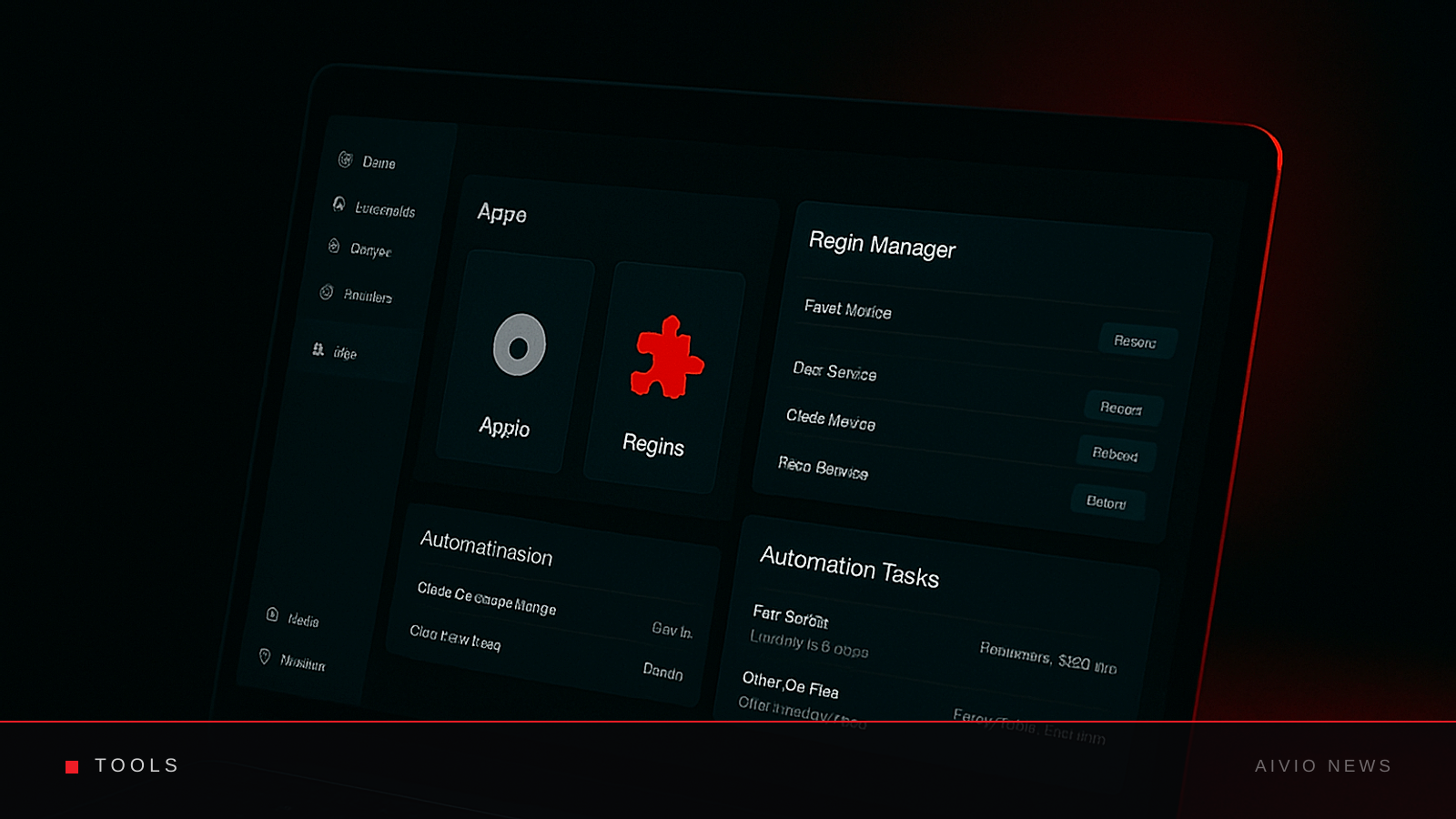
DeepSeek has released official desktop applications for macOS and Windows for DeepSeek Harness v0.2, its open-source framework for running AI agents. Agent harnesses like this one give a model the ability to take multi-step actions — running code, editing files, calling other programs — rather than just answering questions in a chat window. The company describes the release as a preview rather than a finished, stable version, according to a report from MarkTechPost. The harness itself is distributed under the MIT license, a permissive license that allows free commercial use, modification, and redistribution of the underlying code.
Version 0.2 adds a plugin manager, a tool for installing and organizing add-on modules inside the harness. It also adds a review interface for files and code changes, letting a developer check what an agent altered before accepting the work. A new scheduling feature called Automation Tasks lets users set agent jobs to run at fixed times instead of triggering them by hand each time. Together, the plugin manager and the review screen are aimed at letting a developer extend what an agent can do while still checking its work before it takes effect.
The update also extends support beyond DeepSeek’s own models. Developers can connect the harness to other companies’ models through OpenAI-compatible endpoints, a connection format many model providers already support. That means the harness can act as a general-purpose front end for agent work rather than a tool limited to DeepSeek’s own models. For a developer already using a model from another company, that removes one reason to pick a different harness just to keep using a preferred model.
MarkTechPost’s report does not specify pricing, a timeline for a stable release beyond the v0.2 preview, or the minimum operating system versions the desktop apps require. It also does not say how many plugins are available at launch or which outside models have been tested against the OpenAI-compatible endpoint support. Those gaps matter for any team deciding whether to adopt the tool now or wait for a more finished release.
The stated aim, per the report, is to make agent tooling that previously required command-line setup accessible to individual developers through a standard desktop app. What to watch next: whether DeepSeek follows this preview with a stable release, how many plugins the plugin manager attracts, and whether the OpenAI-compatible endpoint support holds up once more developers test it against models beyond DeepSeek’s own.
Sources
AI-generated · AIVIO News Desk