AI chatbots are steering hikers into dangerous backcountry situations
Search and rescue teams on Mount Shasta, in British Columbia and at Grand Teton National Park describe hikers using Gemini and Claude for trip planning, sometimes ending in dangerous rescues.
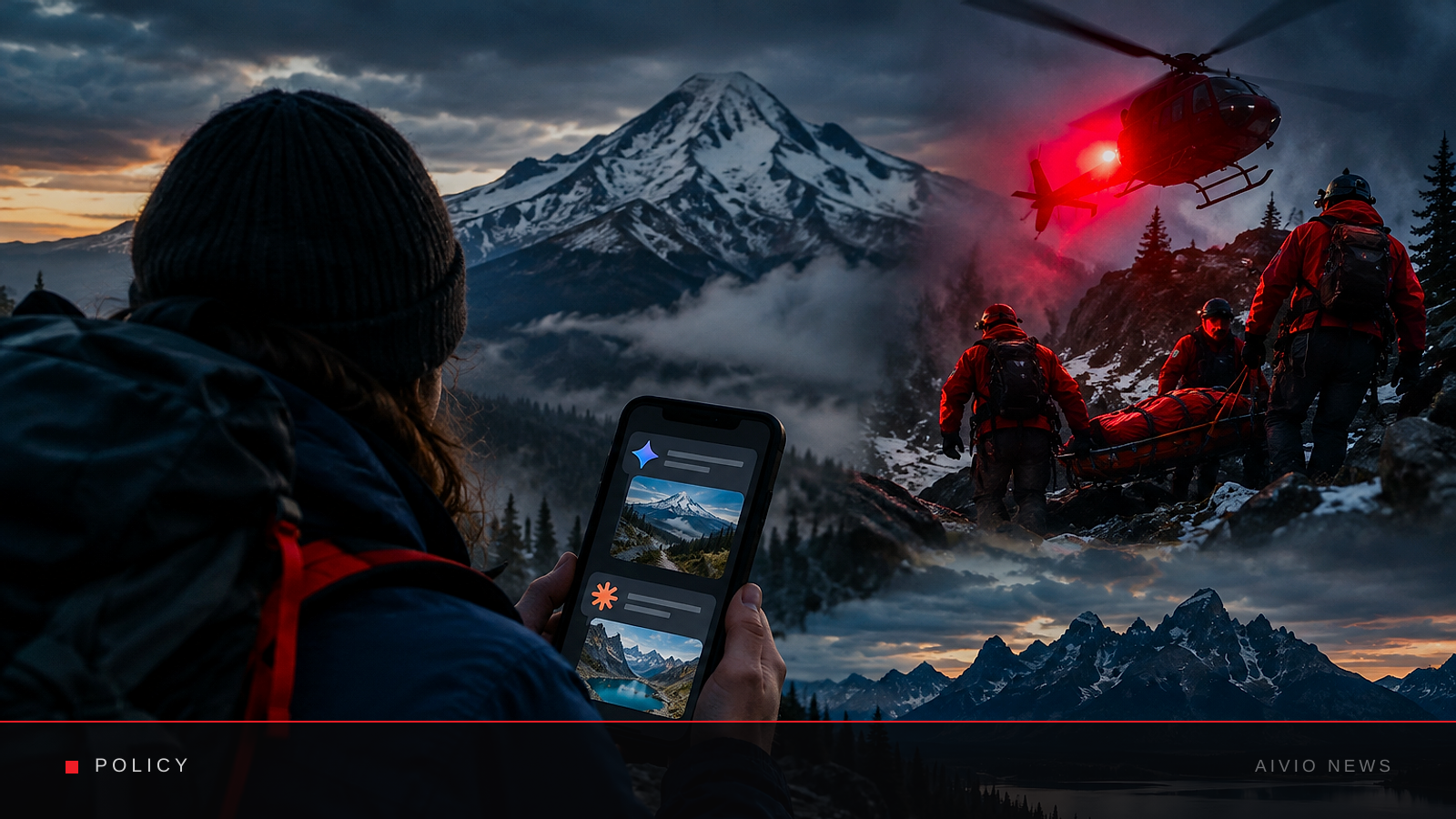
Three hikers climbing Mount Shasta in Northern California needed rescuing after a string of bad decisions: too little food, overestimated fitness, and a late push to the summit at 7:30 pm that forced a descent in the dark. The hikers later said their planning had relied heavily on Google’s chatbot Gemini. By morning, one hiker had an injured knee and the group was lost on a difficult stretch of the mountain.
Nick Meyers, program manager for the US Forest Service’s Mount Shasta Wilderness Climbing and Avalanche Center, which handled the rescue, said unprepared hikers are common, but these three stood out for leaning on a chatbot instead of real research. “We get plenty of people who come unprepared or don’t do any research at all. To these guys’ credit, they did try,” he said. “But I think they kind of turned their brains off.”
Meyers’ team has seen other AI-related mishaps nearby: a visitor who camped beside a “No Camping” sign because a chatbot told her she could, and a hiker who showed up with an AI-generated map that put landmarks on the wrong side of a mountain. In British Columbia, a helicopter crew rescued a 16-year-old from a ledge on Crown Mountain after he used Anthropic’s chatbot Claude to plan the climb; he said he’d also checked Google Maps and the app AllTrails.
Grand Teton National Park in Wyoming has tracked a sharp rise in AI-assisted trip planning. Superintendent Chip Jenkins said the share of visitors citing AI for trip information “went from zero to 26 percent” in the past year, and he doesn’t expect that to level off. Whether that is driving more rescues isn’t clear. Meyers’ office averages about a dozen rescues a year and calls 2026 typical, while Wyoming’s search and rescue calls have fallen, to 312 so far in 2026 from 466 in 2025 and 377 in 2024.
Search and rescue veterans say outdoor recreation has repeatedly been reshaped by new information tools, not always safely. Colorado recreation attorney and search and rescue volunteer Jim Moss pointed to Instagram’s rise about a decade ago, which drew people outdoors and sometimes into danger, and to earlier over-reliance on Google Maps and cell service. “Over the last two decades, there’s been a phenomenal push in the media to get more people outdoors, and consequently we have more people outdoors and recreating,” Moss said.
Researchers say chatbots carry a particular risk because they deliver confident, polished answers regardless of whether the information holds up. Clemson University professor Chris Flathmann, who studies AI and search and rescue, said heavy reliance on a chatbot can cause “cognitive surrender.” “When humans work with AI systems, they can get so deep into it they give up thinking critically for themselves,” he said, noting that users without outdoor expertise “can’t call BS” on confident bad advice.
Experts’ advice hasn’t changed with the technology: check any chatbot-generated route or camping guidance against official land-management maps, trail associations or guidebooks, and talk to a ranger or guide when possible. “If you’re going to go into places that will kill you,” Meyers said, “you should take your planning seriously.” Whether rescue calls climb alongside AI-assisted planning, now cited by 26 percent of Grand Teton visitors, is what agencies say they’re watching next.
Sources
Wired